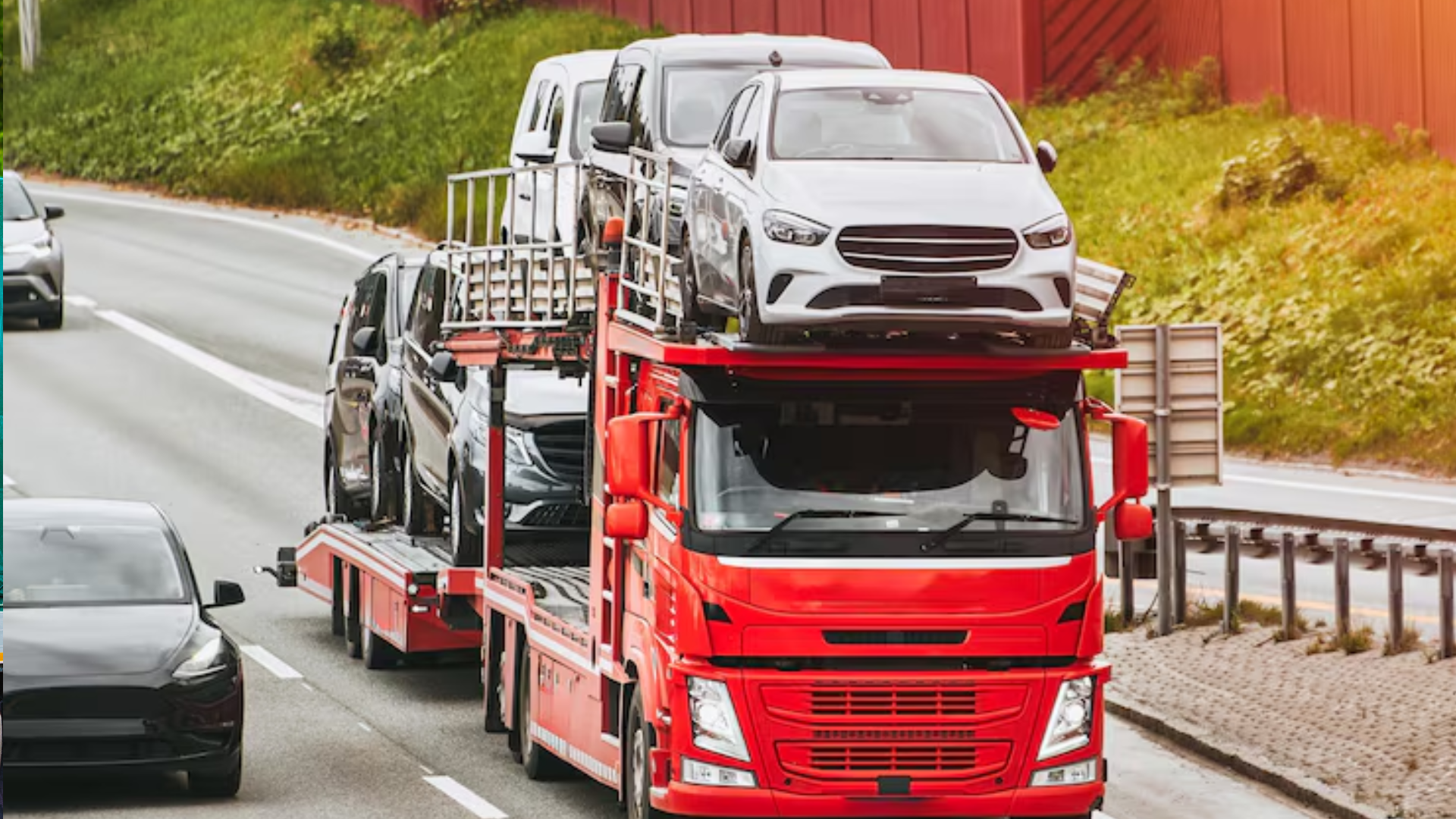

When choosing auto transport services in the United States, one of the most important decisions is whether to select open car transport or enclosed car shipping. Both options provide safe and reliable vehicle shipping nationwide, but they differ in cost, protection level, and ideal vehicle type. This complete guide explains the differences so you can choose the best option for your specific vehicle and budget.
What Is Open Car Transport?
Open car transport is the most common and cost-effective method of shipping a vehicle in the United States. Your car is loaded onto a multi-level open carrier trailer — the same type used to deliver new vehicles to dealerships nationwide. Because these carriers can transport multiple vehicles at once, open auto transport offers greater availability and competitive pricing.
With open transport, vehicles are securely strapped and professionally positioned on the trailer to prevent movement during transit. While the car is exposed to normal road elements like wind, rain, and dust, this method is considered extremely safe and is used for millions of vehicles every year. Modern carriers are designed with safety standards that minimize risk during long-distance transport.
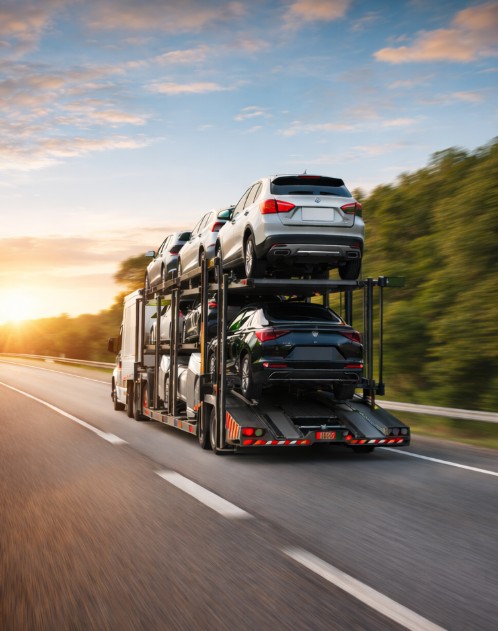
Open car shipping is ideal for standard daily drivers, sedans, SUVs, pickup trucks, and vehicles that do not require specialized handling. If your priority is affordability, scheduling flexibility, and efficient nationwide delivery, open auto transport is typically the best option.
- Most affordable auto transport option
- Widely available nationwide
- Faster scheduling flexibility
- Ideal for standard daily vehicles
What Is Enclosed Car Transport?
Enclosed car transport provides an elevated level of protection by shipping vehicles inside a fully enclosed trailer. Unlike open carriers, enclosed trailers shield vehicles from weather conditions, road debris, dust, and outside visibility during transport. This option is specifically designed for high-value or specialty vehicles.
Vehicles transported in enclosed trailers are carefully secured inside a covered environment, often with lift-gate loading and white-glove handling options. Because fewer vehicles are transported per trip, enclosed shipping offers added security, privacy, and a reduced risk of exposure to external elements.
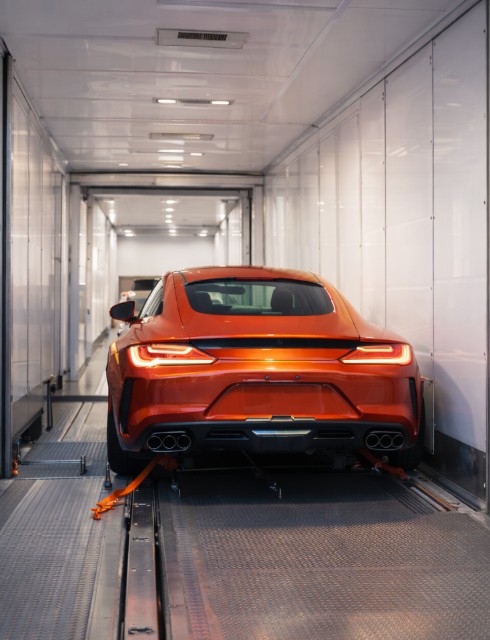
Enclosed auto transport is best suited for luxury vehicles, exotic cars, classic automobiles, collector cars, and vehicles with low ground clearance. If you are shipping a high-value vehicle and want maximum protection with premium handling, enclosed car transport is the recommended solution.
- Maximum protection from weather and debris
- Ideal for luxury, exotic, or classic vehicles
- Increased privacy and security
- White-glove handling options available
Open vs Enclosed Car Shipping: Key Differences
Cost: Open transport typically costs 20–40% less than enclosed shipping.
Protection: Enclosed transport provides superior protection from weather and road debris.
Best For: Open is best for standard vehicles; enclosed is recommended for luxury, exotic, or collector cars.
Availability: Open carriers are more common and flexible nationwide.
| Feature | Open Transport | Enclosed Transport |
|---|---|---|
| Cost | Lower | Higher |
| Protection | Standard | Maximum |
| Best For | Daily vehicles | Luxury/exotic |
| Availability | Very high | Limited |
Which Option Is Best for Your Vehicle?
Choose open transport if you are shipping a daily driver, SUV, or standard vehicle and want the most affordable and efficient solution.
Choose enclosed transport if you own a high-value luxury, exotic, or classic vehicle and want maximum protection during nationwide transport.
Frequently Asked Questions
Yes. Open auto transport is the most commonly used vehicle shipping method in the United States and is considered very safe for standard sedans, SUVs, and trucks. Vehicles are professionally secured to prevent movement during transit.
Enclosed car shipping typically costs 20–40% more than open transport due to the added protection, limited capacity, and premium handling options.
Enclosed transport is recommended for luxury, exotic, classic, collector, or high-value vehicles that require maximum protection from weather and road debris.
Yes. Licensed and insured auto transport companies include cargo insurance coverage during transit. Coverage limits vary, so always confirm protection details before booking.
Yes, open carriers expose vehicles to normal road and weather conditions such as rain or dust. However, this is the same method used to transport new vehicles to dealerships nationwide.
Transit times depend on distance and route demand. Coast-to-coast transport typically takes 7–10 days, while shorter regional routes may take 2–5 days.
Get Your Instant Car Shipping Quote
Whether you choose open or enclosed car transport, working with a licensed and insured nationwide auto transport provider gives you complete confidence throughout the process. Use our instant car shipping calculator to compare transparent pricing and secure dependable door-to-door delivery anywhere in the United States.